





Truck Accident Lawyer Port St Lucie

Truck accidents in Port St Lucie often leave victims facing life-altering injuries, especially in high-traffic areas such as Crosstown Parkway or the I-95 corridor. When a commercial truck’s size and force collide with a passenger vehicle, the consequences can be devastating. A dedicated truck accident lawyer can help you navigate insurance disputes, investigate carrier negligence, and pursue compensation that reflects the true impact of the crash. At Weston & Pape, we take an aggressive, detail-driven approach to holding trucking companies accountable. Reach out to 866-349-2912 for a free consultation and get the support you need during this difficult time.
Federal Trucking Regulations Every Port St Lucie Driver Should Know
Commercial trucks move through Port St. Lucie every day, carrying goods along major corridors like I-95, the Florida Turnpike, and US-1. These trucks are essential for the region’s growth, especially in busy areas near Tradition Square, St. Lucie West, and the Crosstown Parkway. But with this constant movement comes significant risk. When a truck is not operated safely or when a trucking company cuts corners, the consequences can be devastating. John and Dante have extensive experience handling these complex cases, combining decades of legal expertise with the discipline and strategic thinking they’ve honed both on and off the field. Dante, as a former Division I football player and pilot, and John, through his long career advocating for injured clients across South Florida. Their firsthand understanding of attention to detail, planning, and risk management allows them to navigate federal trucking regulations effectively to protect drivers, passengers, and everyone sharing the road.

Understanding these regulations helps injury victims recognize when a truck driver or company may have violated safety standards. It also helps clarify liability after a crash. Below is a detailed look at the most important federal trucking rules that commercial drivers must follow and why they matter in communities like ours.
How Federal Regulations Shape Trucking Safety
The federal rules governing commercial trucks come from the Federal Motor Carrier Safety Administration, also known as the FMCSA. These regulations apply to long-haul trucking companies as well as smaller carriers that operate across state lines. Even though Port St. Lucie is not an industrial hub like Miami or Jacksonville, it still experiences heavy truck traffic because of its location between major distribution centers.
Delivery trucks serving businesses along St. Lucie West Boulevard, construction haulers traveling to ongoing development in Tradition, and long-distance tractor-trailers moving goods north and south all fall under these federal rules. When a truck collision occurs, the presence or absence of compliance with these rules can be a deciding factor in a personal injury case.
Hours-of-Service Rules and the Fight Against Driver Fatigue
One of the most important federal trucking regulations concerns driver fatigue. The FMCSA’s Hours-of-Service rules were created to prevent exhausted truckers from staying behind the wheel longer than is safe. These rules limit the number of hours a trucker can drive before stopping to rest.
Under federal law:
- A truck driver can drive a maximum of 11 hours after taking 10 consecutive hours off duty.
- A driver cannot exceed 14 total on-duty hours before rest is required.
- Drivers must take a 30-minute break after eight hours of driving.
- There is also a weekly limit of 60 or 70 on-duty hours, depending on the carrier’s schedule.
Fatigue is a major concern in areas like Port St. Lucie because long stretches of highway between major cities can cause drivers to push themselves. When you consider the heavy truck traffic passing through the Becker Road and Gatlin Boulevard exits—areas that already see congestion—fatigue becomes a serious hazard. If a driver exceeds federal hours-of-service limits and causes a wreck, that violation becomes critical evidence for injury victims.
Weight Limits and How They Impact Road Safety
Another key federal rule concerns weight limits for commercial trucks. Overloaded trucks are dangerous. They take longer to stop, their brakes wear down faster, and they are more likely to lose control on curves. This is especially important near areas like the I-95 interchange at Crosstown Parkway, where traffic merges and slows suddenly.
Federal rules determine the maximum weight allowed for commercial trucks, generally capping them at 80,000 pounds. But not all carriers follow these limits. Some overload their trucks to increase profits, creating unnecessary risks. Overloaded trucks also damage roadways faster, contributing to wear and tear on heavily used streets like US-1 through Port St. Lucie.
When a truck crash occurs, investigators often check weight records to see whether the vehicle was operating within federal guidelines. If a company allowed overweight loads, it may be held responsible for creating unsafe conditions.
Inspection and Maintenance Requirements That Protect the Public
Federal law also requires trucking companies to perform regular inspections and maintain their vehicles properly. These regulations cover brakes, tires, steering systems, coupling devices, and lighting systems. A truck traveling through Port St. Lucie that has not been properly maintained can easily turn into a threat, especially in high-traffic areas near the Port St. Lucie Civic Center or the busy commercial zones in Tradition.
Truck drivers must conduct pre-trip and post-trip inspections every day. They must note any defects and ensure repairs are made before the next shift. Carriers must also keep inspection reports and maintenance logs.
In accident cases, maintenance records are often one of the first things requested by investigators. Missing, incomplete, or falsified records can demonstrate a company’s negligence. Poor maintenance is a recurring issue in trucking collisions, and federal rules exist to stop companies from ignoring worn-out parts or skipping necessary repairs.
Drug and Alcohol Testing Rules Every Driver Must Follow
Trucking companies are required to test drivers for drugs and alcohol under federal law. These tests occur:
- Before hiring a driver
- Randomly throughout employment
- After certain types of crashes
- When there is reasonable suspicion of impairment
Alcohol and drug impairment is a leading cause of catastrophic trucking crashes nationwide. In Port St. Lucie, where families travel daily along Peacock Boulevard, California Boulevard, and the busy lanes of Prima Vista Boulevard, impaired driving has no place.
Federal regulations establish testing standards and require carriers to remove drivers from service immediately if they fail a test. In personal injury cases, test results often play a crucial role in proving liability.
Commercial Driver’s License Requirements That Ensure Competence
To operate a commercial truck legally, drivers must have a Commercial Driver’s License, or CDL. Obtaining a CDL requires specialized training and testing. The federal government sets many of the minimum standards for CDL qualification.
Drivers must demonstrate:
- Knowledge of truck operation
- Awareness of safety procedures
- Familiarity with federal trucking regulations
- Skill in managing large vehicles
In a fast-growing city like Port St. Lucie, where new construction continually brings heavy equipment and large trucks onto local roads, licensing rules help ensure that inexperienced or untrained drivers are not operating massive vehicles.
If a driver without a proper CDL causes a crash, the trucking company may face serious penalties, and this violation can strengthen an injury victim’s case significantly.
Electronic Logging Devices and Compliance Technology
Federal rules require most commercial drivers to use Electronic Logging Devices, also known as ELDs. These devices track driving hours automatically, preventing drivers and companies from falsifying logs.
Before ELDs became mandatory, some carriers manipulated written logs to hide violations. Now, ELD records help verify whether a driver complied with hours-of-service regulations. In an accident case, these electronic records can show:
- Whether a driver exceeded the legal driving limit
- How long they were on the road before the crash
- If proper breaks were taken
ELDs have become essential evidence in legal cases, especially when accidents happen near major truck routes like the Florida Turnpike entrance by Becker Road.
Cargo Securement Rules That Prevent Load Shifting
Improperly secured cargo can cause deadly accidents. When a load shifts, it can destabilize the truck, causing rollovers or jackknifes. Federal cargo securement rules require drivers to use proper tie-downs, straps, and locking mechanisms.
These rules apply whether the truck is carrying construction materials to a site in Tradition or moving commercial goods through the area. When a load is improperly secured, the trucking company may be held responsible for failing to train or supervise the driver.
Hazardous Materials Regulations for High-Risk Cargo
Some trucks transport hazardous materials, including fuel, chemicals, or industrial substances. The transportation of hazardous materials is governed by strict federal rules to prevent leaks, spills, and explosions.
Although hazmat trucks are less common in Port St. Lucie than in major industrial regions, they still travel through the area on I-95. If an accident involves hazardous cargo, federal compliance determines how liability is assigned and whether the carrier followed required protocols.
Why These Regulations Matter in Truck Crash Cases
Truck accidents often result in severe injuries because of the size and weight of commercial vehicles. When these collisions occur in high-traffic areas like the busy retail strip near St. Lucie West Boulevard or during rush hour near the Crosstown Parkway Bridge, victims often suffer life-altering harm. Demonstrating whether a federal rule was broken can play a major role in proving liability.
For example:
- If a driver exceeded hours-of-service limits, fatigue may be the cause of the crash.
- If the truck was overloaded, braking failures or loss of control may explain the collision.
- If maintenance was neglected, mechanical failure could be to blame.
- If the driver lacked proper licensing, incompetence may have contributed to the wreck.
Federal regulations create a baseline of safety. When trucking companies cut corners, the public pays the price.
How Local Crash Conditions Influence Federal Compliance
The Port St. Lucie area is unique. It has rapidly growing residential neighborhoods, expanding commercial developments, and a constant flow of visitors and commuters. This creates traffic patterns that demand strict adherence to federal safety rules.
Construction zones along Tradition Parkway, heavy traffic near the turnpike exits, and the blending of tourist routes with local daily travel increase the risk of collisions. When trucks enter these busy areas, federal rules become even more critical.
Nearby facilities like Cleveland Clinic Tradition Hospital frequently treat crash victims who suffer injuries from trucking collisions. Many of these accidents involve violations of federal rules that could have been prevented with proper oversight.
Understanding Federal Regulations
Federal trucking regulations exist to protect the public. They create accountability in an industry where the stakes are incredibly high. In a city like Port St. Lucie, where families, commuters, and visitors share the road with long-haul trucks every day, these rules matter more than most people realize.
Dante’s experience as a pilot gives him a keen understanding of safety protocols and risk management, allowing him to spot critical regulatory violations that others might miss. John’s attention to detail, honed over decades of representing injured clients and from his meticulous craftsmanship in jewelry making, ensures that every aspect of a trucking case is thoroughly investigated.
When a trucking accident occurs, knowing whether the driver or company followed federal standards can make a significant difference in pursuing compensation. Violations often point directly to negligence and help injury victims understand exactly what went wrong. If you or someone you love is involved in a truck crash, they can guide you through how federal safety rules apply to your situation, holding companies accountable for the harm they cause.
Secure the Support You Need With an Experienced Truck Accident Attorney
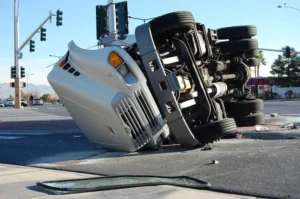
A collision involving a commercial truck can alter your life in an instant, especially in fast-moving areas such as the I-95 interchanges or the Crosstown Parkway extension in Port St. Lucie. Working with a skilled truck accident attorney ensures that you’re not navigating complicated trucking regulations and insurance challenges alone. Weston & Pape takes a thorough approach to uncovering key evidence, identifying liability, and pushing back against aggressive insurers. If your crash has left you dealing with long-term injuries or financial strain, call 866-349-2912. We’re ready to stand with you and fight for the outcome you deserve.

John Pape is the Managing Partner at Weston & Pape and has more than 30 years of experience representing injured clients across Florida. A summa cum laude graduate of the University of Miami School of Law, he has devoted his entire career to personal injury cases, including motor-vehicle accidents, wrongful death, and nursing-home neglect. Recognized by Verdict7, The National Trial Lawyers Top 100, and Premier Lawyers of America, John is known for his thorough preparation and commitment to achieving meaningful results for his clients.